


Highlights
-
-
Modernized scheduling at scale — Led the transformation of a legacy scheduling system used across 2,500+ Fresenius clinics.
-
Improved patient & nurse experience — Conducted in-person and remote research with nurses and patients to uncover workflow pain points and design user-centered solutions.
-
Scaled delivery & design teams — Grew from 3 to 5 scrum teams and established a new UX and research program to accelerate innovation.
-
Built for reliability & growth — Migrated the legacy system to cloud architecture, introduced automated testing, and set up new staging environments.
-
Transforming Scheduling for Nurses and Patients at Fresenius
As Delivery Director at Celerity, I led a multi-year engagement with Fresenius, a global leader in kidney care, to overhaul and scale a patient and nurse scheduling platform. The existing system had been acquired through a software purchase but was struggling to support the organization at scale. With more than 2,500 clinics nationwide, Fresenius had limited visibility into individual sites, making it difficult to identify where resources were most needed. The goal was clear: modernize the platform to decrease administrative overhead, improve staff efficiency, and create a more seamless patient experience.
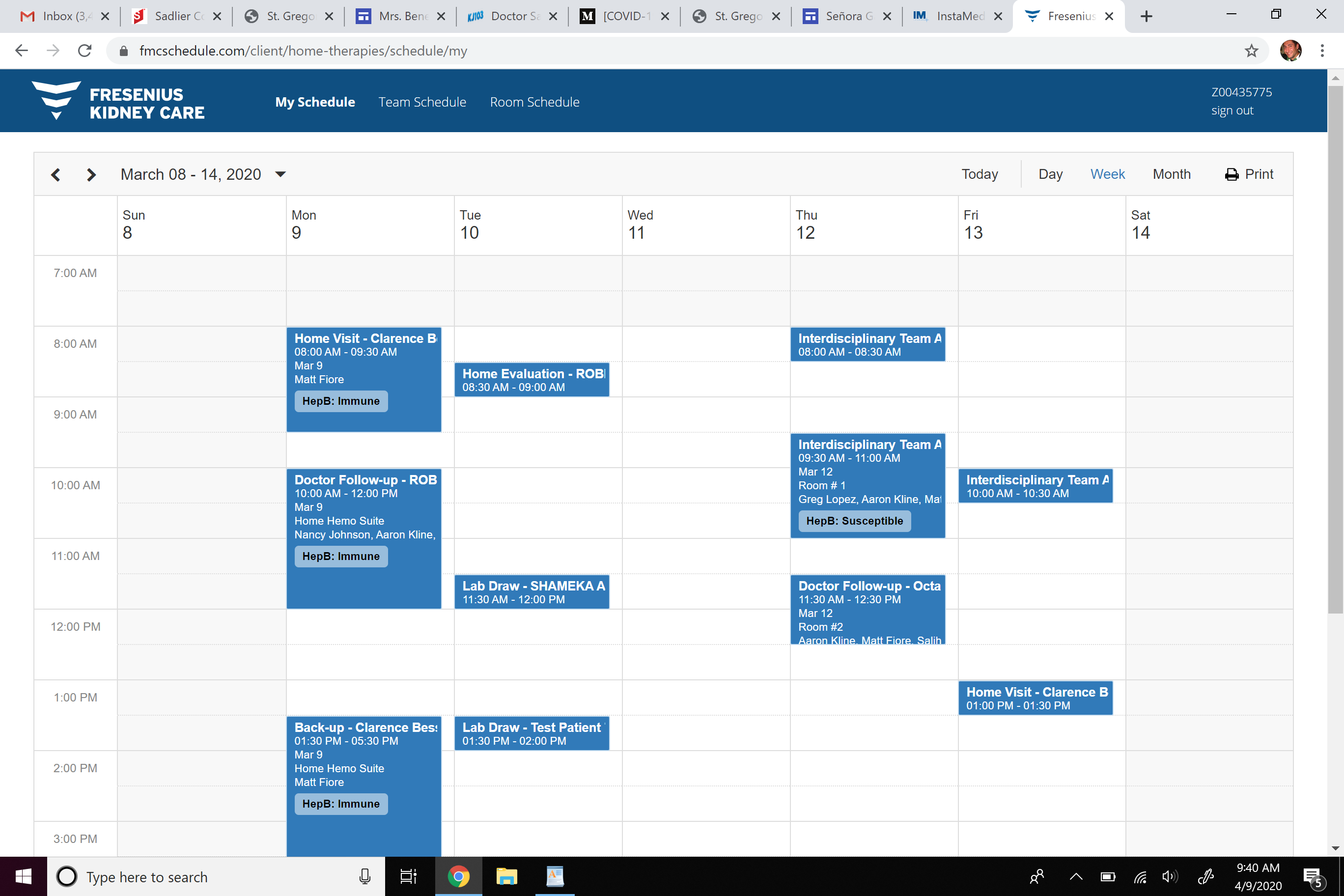
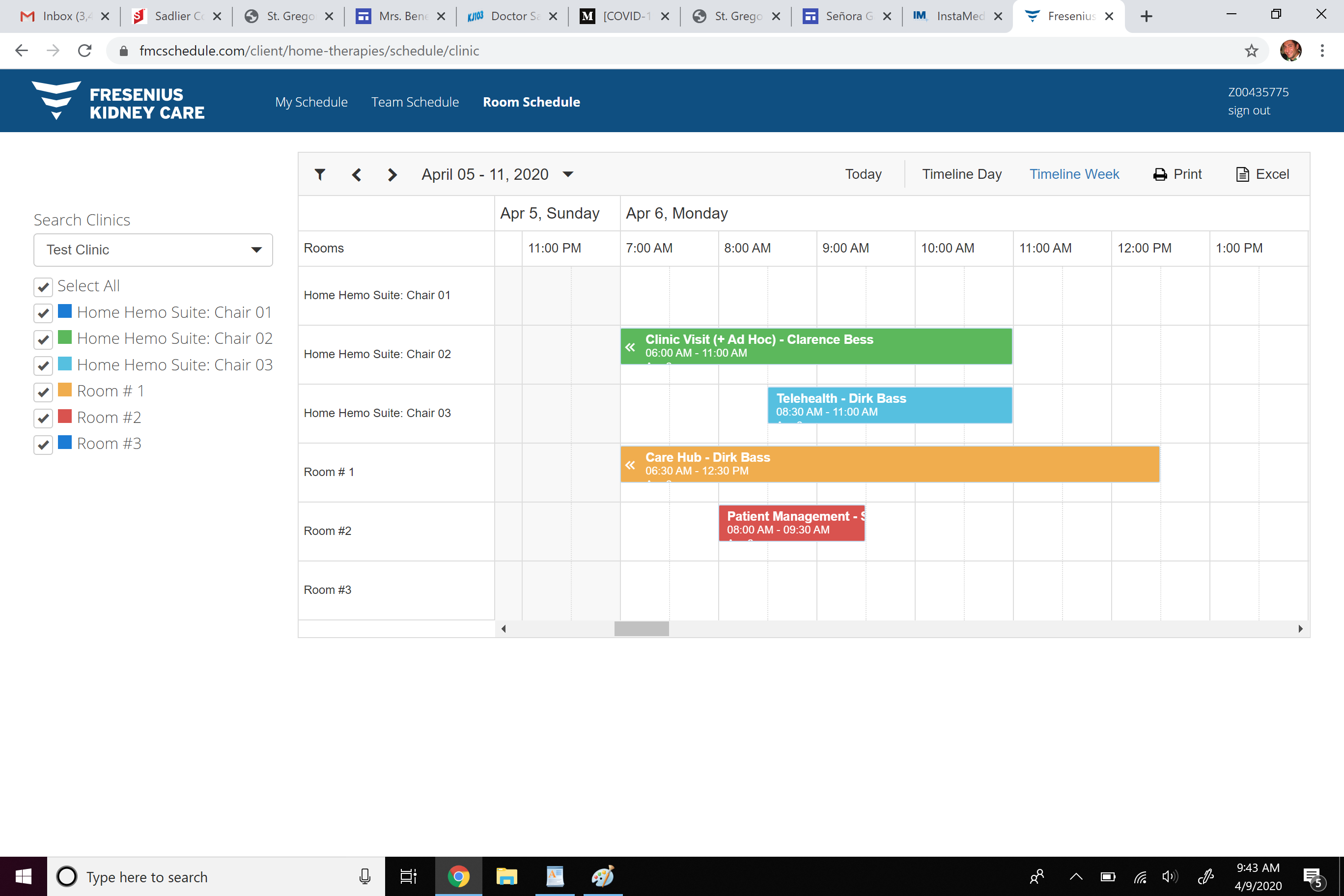
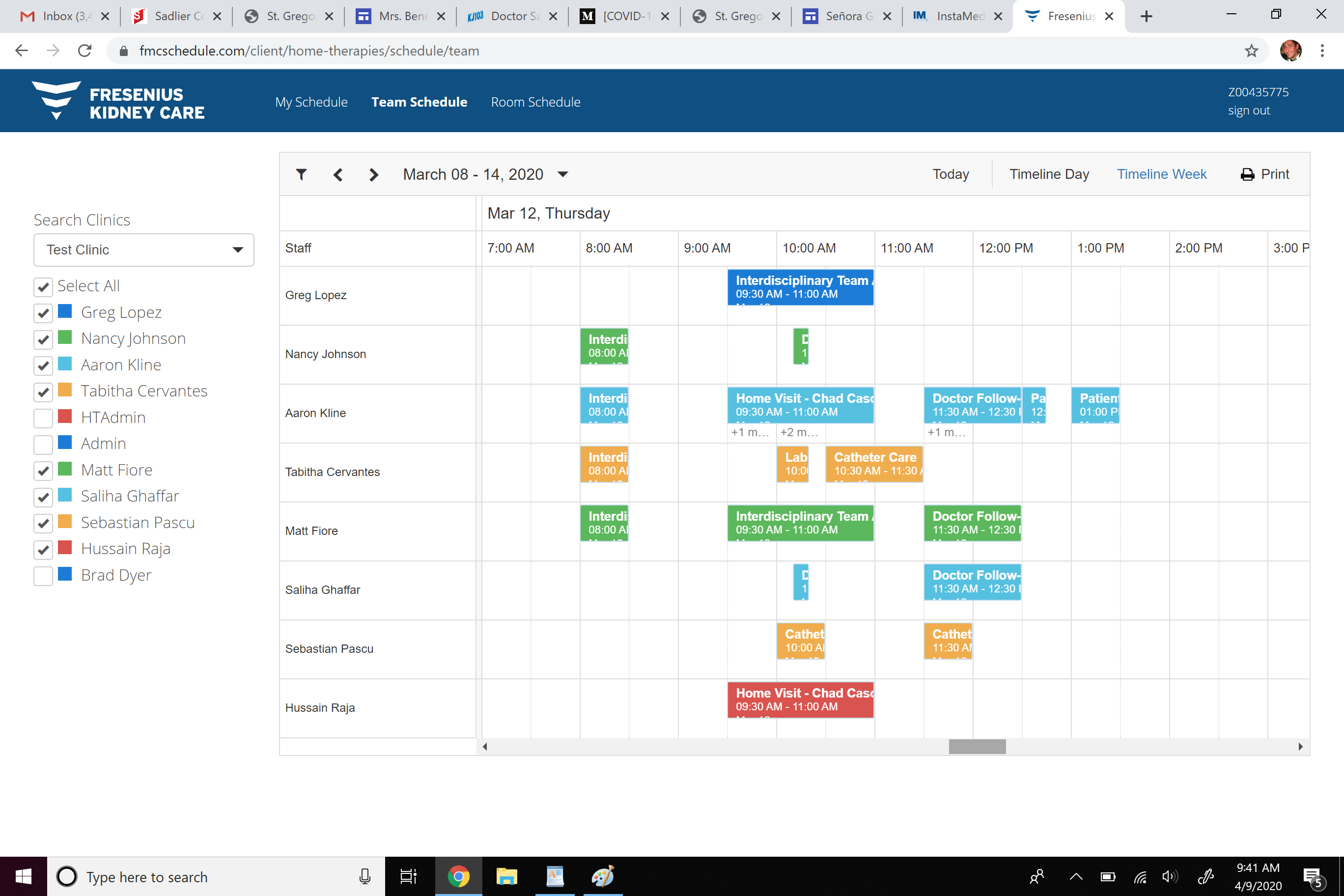
As the point person across strategy and delivery, I oversaw both product and project management efforts while guiding the technical and design direction. Early on, I led the migration of the legacy platform to a modern cloud architecture, built a new staging environment, and championed automated testing practices to ensure quality and scalability. From there, I established a structured process for quarterly ideation and prioritization with Fresenius stakeholders, which built the trust and momentum that eventually led to Celerity winning the redesign and expansion initiative.
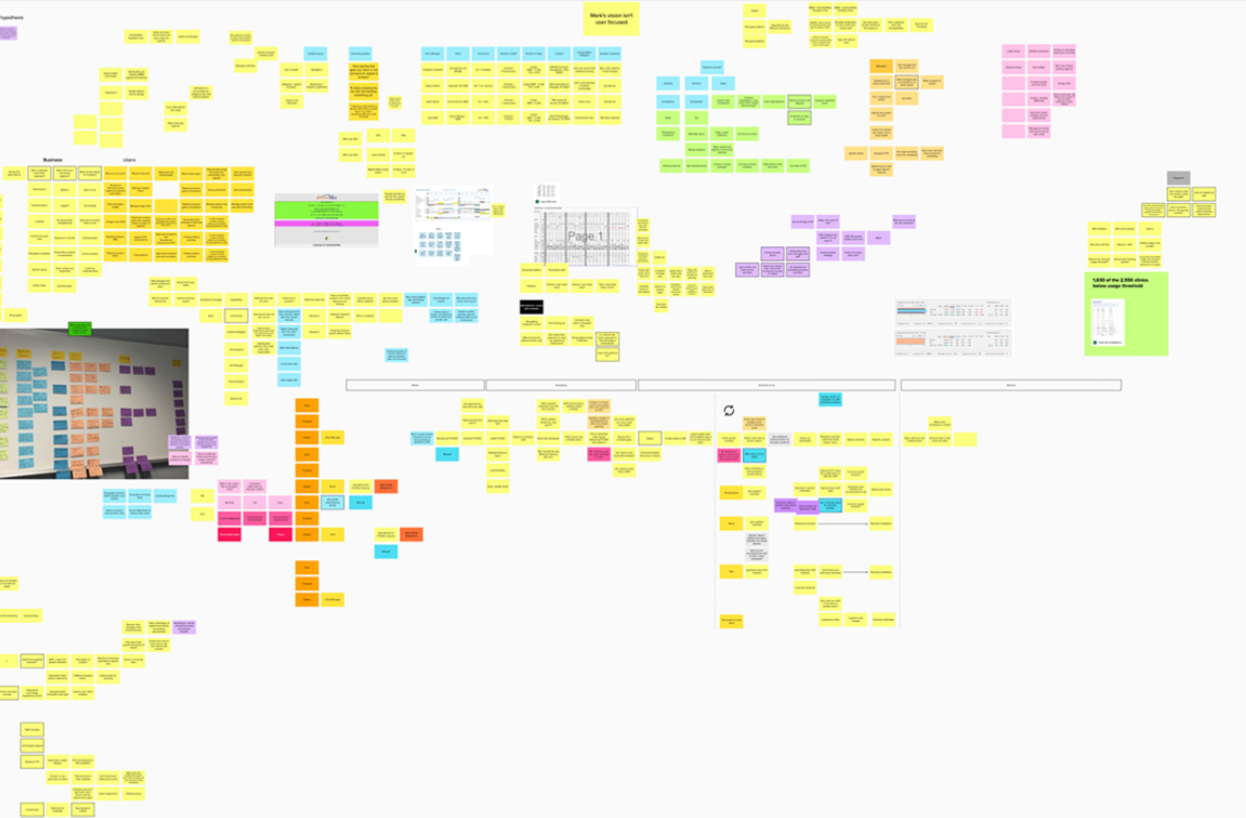
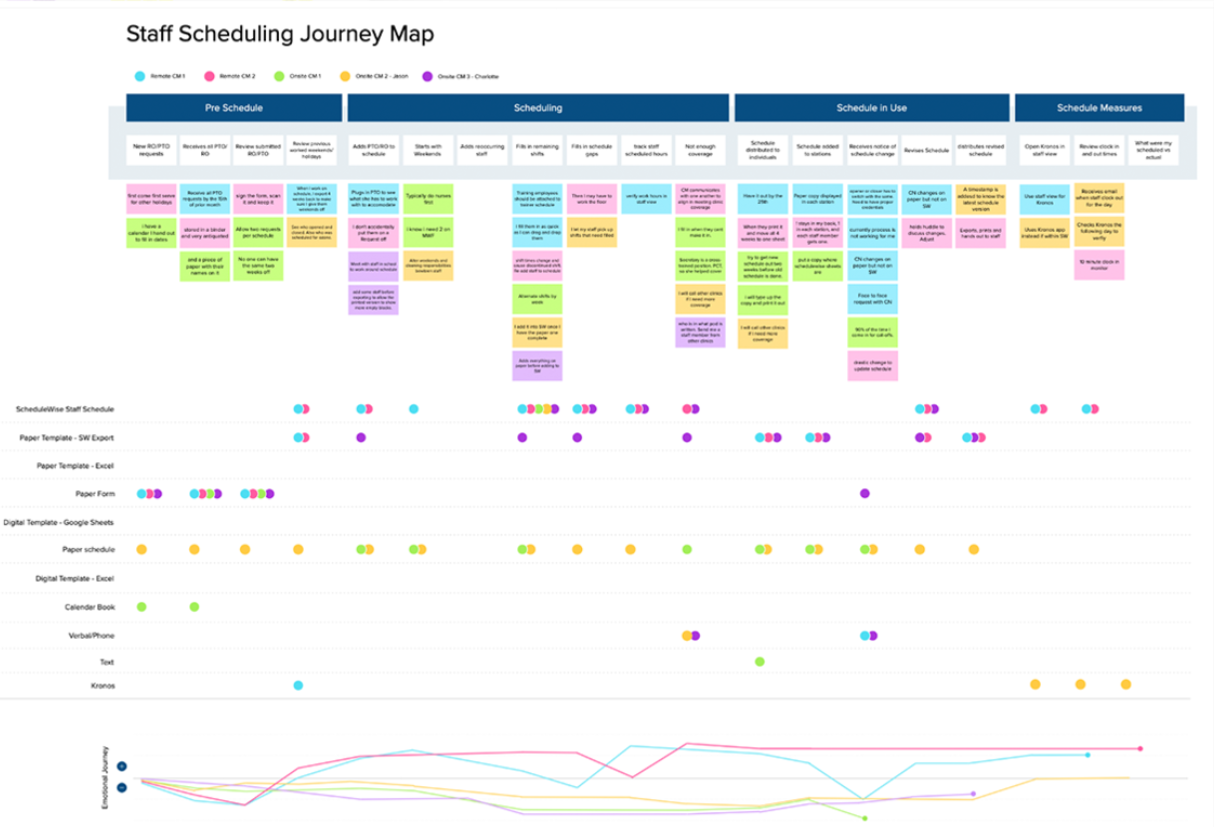
User research was central to our approach. I conducted surveys, interviews, and on-site observations in clinics across the tri-state area, shadowing nurses and staff to uncover workflow pain points. By synthesizing this data into journey maps and affinity diagrams, we identified critical breakdowns in scheduling and intake. Through rapid prototyping and iterative testing, I partnered with end-users to validate solutions and refine functionality around their top tasks. These insights drove the creation of a scalable design system and high-fidelity prototypes, which I developed alongside a growing design team while collaborating closely with engineering to ensure feasibility.
Under my leadership, the delivery organization grew from three to five scrum teams, allowing us to maintain the existing system while simultaneously launching a new, modern scheduling platform. The result has been transformational: the application now supports thousands of clinics across the U.S., integrates with multiple systems to streamline intake and admissions, and has seen expanded adoption internationally. Usage has grown significantly, providing Fresenius with greater operational visibility and giving nurses and patients a smoother, more reliable scheduling experience.